Best Hypoallergenic Dog Treats (2026): What the Label Really Means
We may earn a commission from links on this page, at no extra cost to you. How this works.


- "Hypoallergenic" has no legal definition for dog treats — no ingredient is allergy-proof for every dog. The label is a starting point, not a guarantee.
- What genuinely lowers risk: a single novel or known-safe protein, a short fully-named label, and zero common allergens (beef, dairy, chicken, wheat, egg).
- Truly hypoallergenic feeding is dog-specific — the best treat avoids YOUR dog's trigger, which is worth identifying with your vet.
Let's start with the honest part: "hypoallergenic" is a marketing term, not a standard. No agency defines it for pet treats, and no ingredient is allergy-proof for every dog. What the label can mean — when a brand uses it seriously — is a treat designed to minimize allergy risk: one protein, a short fully-named label, none of the usual suspects.
That's exactly what we ranked. Here are the treats that earn the intent of the word, plus how to match them to your actual dog.
At-a-glance comparison
| Treat | Best for | Proteins | Rating | Price |
|---|---|---|---|---|
| Novel-Protein Treats (Rabbit / Venison / Duck)Specialty / Amazon selection | Best for novel-protein / elimination diets | Rabbit, Venison, Duck | 4.3 | Check price → |
| Raised Right Meat BitesRaised Right | Best overall limited-ingredient pick | Beef, Chicken, Lamb, Pork | 4.8 | Check price → |
| Single-Ingredient Freeze-Dried TreatsSpecialty / Amazon selection | Best single-ingredient treat | Beef liver, Salmon, Chicken, Turkey | 4.4 | Check price → |
| JustFoodForDogs TreatsJustFoodForDogs | Best vet-developed option | Chicken, Beef, Pork, Salmon, Venison | 4.5 | Check price → |
Our picks
1. Best overall: novel single proteins
The lowest-risk option that doesn't require a prescription: proteins your dog has never met. Rabbit, venison, or duck in single-ingredient form is our default recommendation for reactive dogs — details in the novel-protein guide.

1. Novel-Protein Treats (Rabbit / Venison / Duck)
Proteins your dog likely has never eaten — ideal for elimination trials.
Pros
- Novel proteins reduce the chance of prior sensitization
- Good for structured elimination diets (with vet guidance)
- Variety of exotic single proteins
Cons
- Cost more than common proteins
- Verify no hidden additives
2. Best everyday premium: Raised Right
Short human-grade labels with one named protein per recipe. Pick the protein your dog tolerates and this is a "hypoallergenic-in-practice" treat you can feed daily.
2. Raised Right Meat Bites
Human-grade single-ingredient "meat bites" — about the shortest label a treat can have.
Pros
- Human-grade ingredients and short, transparent labels
- Single novel-protein options suit elimination diets
- Made in a USDA-inspected kitchen
Cons
- Premium price point
- Limited retail availability outside DTC
3. Best value: single-ingredient freeze-dried
One ingredient = the fewest possible ways to go wrong. The single-ingredient roundup covers picking quality within the category.
3. Single-Ingredient Freeze-Dried Treats
One ingredient, nothing else — the simplest possible label.
Pros
- Literally one ingredient (e.g. pure liver or fish)
- Easy to match to an elimination diet
- Broad availability and formats
Cons
- Quality varies by brand — check sourcing
- Some are rich; use small pieces
4. Best vet-developed: JustFoodForDogs
Veterinary formulation and transparent sourcing — a trustworthy option when you want clinical credibility without a prescription product.
4. JustFoodForDogs Treats
Vet-developed, human-grade treats hand-prepared from whole-food proteins.
Pros
- Human-grade and vet-formulated
- Single- and limited-ingredient options
- Transparent, USDA-ingredient sourcing
Cons
- Premium price
- Some recipes are multi-ingredient
How to actually shop "hypoallergenic"
- Skip the front of the bag; read the panel. The word "hypoallergenic" filters nothing. The ingredient list does. Scan against the common allergen checklist — beef, dairy, chicken, wheat, and egg are the most frequently reported triggers.
- One protein you've chosen deliberately. Either a protein your dog demonstrably tolerates, or one they've never had.
- Beware "flavor" and "meal." "Natural flavor" can be animal-derived and unnamed; "meat meal" is anonymous by design. Both are disqualifying for a reactive dog.
- Know when to go clinical. Dogs with severe or multi-protein allergies may need hydrolyzed-protein products from the vet — no retail treat substitutes for that.
Bigger picture
Every treat here is also a limited-ingredient treat — the categories overlap almost completely. For the full field, including human-grade crossovers, see the pillar: best limited ingredient dog treats.
Frequently asked
- What makes a dog treat hypoallergenic?
- In marketing terms, usually just the absence of the most common allergens. There's no regulated standard, and no treat is hypoallergenic for every dog — a dog allergic to salmon reacts to the cleanest salmon treat ever made. Practically, "hypoallergenic" should mean: single protein, short fully-named label, none of the top reported allergens.
- What is the most hypoallergenic protein for dogs?
- There isn't one universal answer — allergies are individual. Statistically, dogs react most to what's fed most (beef, dairy, chicken). Proteins your dog has never eaten — rabbit, venison, duck — carry the lowest personal risk, which is why novel proteins dominate this space. Hydrolyzed-protein prescription treats are the clinical extreme; ask your vet.
- Are hydrolyzed protein treats better than novel protein treats?
- Hydrolyzed proteins are broken into pieces too small for most immune systems to recognize — the closest thing to truly hypoallergenic, and available through vets. They're the right call for severe or multi-protein allergies. For most allergy-prone dogs, a well-chosen novel or single-protein treat does the job at lower cost.
- My dog reacted to a hypoallergenic treat — how?
- Either the treat contained your dog's trigger anyway (the label isn't regulated), cross-contamination occurred in manufacturing, or the reaction isn't food allergy at all — environmental allergies look identical. This is exactly why identification beats label-shopping.
← Back to the full limited ingredient guide
Marc
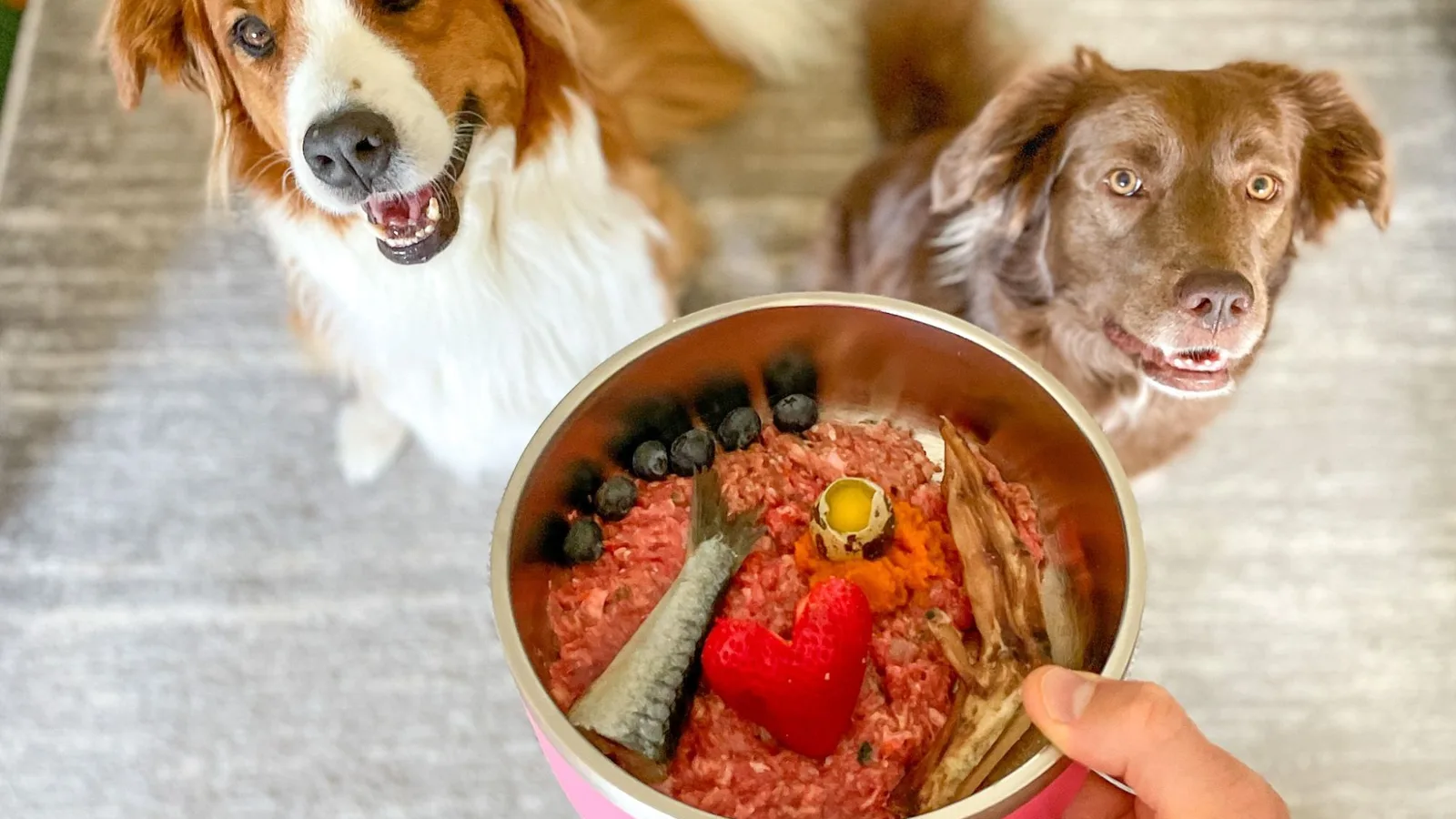
I'm Marc, the dog owner behind The Clean Hound. I read the ingredient panel on my own food — avoiding processed junk and labels full of things I can't pronounce — so I feed my two dogs, Roxy and Mittens, the same way: a raw diet and only single-ingredient or human-grade treats. Everything I recommend is a treat I'd actually give them. I'm not a veterinarian, so my content is general information, not medical advice.
How we review: I judge every treat on ingredient transparency, allergen risk, protein novelty, sourcing, processing, and value — the same label-reading standard I use for my own food. I favor short, single-protein and limited-ingredient recipes, cross-check the marketing against the actual panel, and lean on reputable veterinary-nutrition guidance.