Safe Treats During an Elimination Diet: What Your Dog Can Actually Have
We may earn a commission from links on this page, at no extra cost to you. How this works.


- During an elimination trial, the only safe treats contain the trial protein and nothing else — or are pieces of the trial diet itself.
- The hidden trial-breakers: flavored medications, dental chews, pill pockets, table scraps, and the other pets' food.
- One off-protocol treat can invalidate weeks of the trial — when in doubt, ask the vet running it before feeding anything new.
An elimination diet is the one time in your dog's life when "just one little treat" is genuinely capable of wrecking weeks of work. The trial's entire logic is total control of what goes in — and treats are where control usually fails.
The good news: you don't have to train, reward, and live treat-free for three months. You just need treats that follow the trial's one rule.
The one rule
Nothing passes your dog's lips except the trial protein (or the trial diet). That's the entire framework. During a novel-protein trial on rabbit, "safe" means: rabbit. During a hydrolyzed trial, it means the hydrolyzed diet and its matching prescription treats. Not "mostly rabbit," not "duck, which is also novel," not "grain-free."
Why so absolute? Because the trial is a measurement. An elimination diet answers whether food drives your dog's symptoms — and a single off-protocol protein exposure can provoke reactions lasting days, blurring the very signal you're trying to read.
Treats that fit the trial
In descending order of simplicity:
1. The trial diet, repurposed. Kibbles used as training rewards; canned trial food smeared on a lick mat and frozen; baked strips of the wet formula. Zero risk, zero cost.
2. Single-ingredient treats of the trial protein. If the trial is rabbit-based, 100%-rabbit freeze-dried treats work — after you verify the label is truly single-ingredient and your vet signs off.

1. Novel-Protein Treats (Rabbit / Venison / Duck)
Proteins your dog likely has never eaten — ideal for elimination trials.
Pros
- Novel proteins reduce the chance of prior sensitization
- Good for structured elimination diets (with vet guidance)
- Variety of exotic single proteins
Cons
- Cost more than common proteins
- Verify no hidden additives
2. Single-Ingredient Freeze-Dried Treats
One ingredient, nothing else — the simplest possible label.
Pros
- Literally one ingredient (e.g. pure liver or fish)
- Easy to match to an elimination diet
- Broad availability and formats
Cons
- Quality varies by brand — check sourcing
- Some are rich; use small pieces
3. Prescription trial-matched treats. For hydrolyzed diets especially, vet-channel treats built for the trial exist. Ask the clinic — this is the only reliably safe path on hydrolyzed protocols.
The trial-breakers nobody suspects
Off-protocol exposure rarely comes from the treat jar — it comes from the blind spots:
- Flavored medications — chewable heartworm and flea preventives are usually meat-flavored; ask about unflavored alternatives for the trial window
- Pill pockets — classic chicken bombs; use trial food instead
- Dental chews — flavored, and often anonymous "meat" sources
- The other pets' bowls — cat food is a heist target; feed separated
- Family and guests — one well-meaning grandparent with table scraps outranks your entire label discipline; brief the household
- Toothpaste — pet toothpastes are commonly poultry-flavored
- Outdoor scavenging — leash vigilance matters more than usual for a few weeks
Making 8–12 weeks livable
- Portion the day, then split it. Set aside part of the daily ration as rewards so training continues without extra calories.
- Upgrade the delivery, not the contents. Frozen lick mats, stuffed toys, and puzzle feeders make the same trial food feel like an event.
- Log everything. A simple note of what went in each day makes vet check-ins productive — and mistakes recoverable.
After the trial
Once you have a confirmed trigger (or an all-clear), treat shopping gets simple again: avoid the trigger, favor short fully-named labels. Start with our allergy-friendly picks or go straight to the full limited-ingredient pillar guide — and keep the allergen checklist handy for labels.
Frequently asked
- Can my dog have any treats at all during an elimination diet?
- Usually yes, within strict limits: single-ingredient treats made of exactly the trial protein, dried pieces of the trial diet itself, or trial-matched treats your vet approves (prescription hydrolyzed treats exist for hydrolyzed diets). Everything else — anything with another protein, flavor, or unnamed ingredient — is off the table.
- What happens if my dog eats something off-protocol during the trial?
- Tell your vet honestly rather than staying quiet. A single exposure can provoke symptoms for days and may extend the trial; depending on timing, the vet may lengthen the trial rather than restart it. What ruins trials isn't one mistake — it's unreported mistakes that make results uninterpretable.
- How long does an elimination diet last?
- Typically 8–12 weeks on the strict diet, because skin symptoms can take that long to fully resolve, followed by a deliberate re-challenge with the old food to confirm the diagnosis. The re-challenge step is what turns "symptoms improved" into an actual answer.
- Are hydrolyzed treats real? My dog is on a hydrolyzed diet.
- Yes — prescription hydrolyzed-protein treats exist to pair with hydrolyzed diets, available through your vet. If those aren't an option, kibbles of the hydrolyzed diet itself are the standard "treat." Don't substitute retail "hypoallergenic" treats; they're not the same thing.
← Back to the full limited ingredient guide
Marc
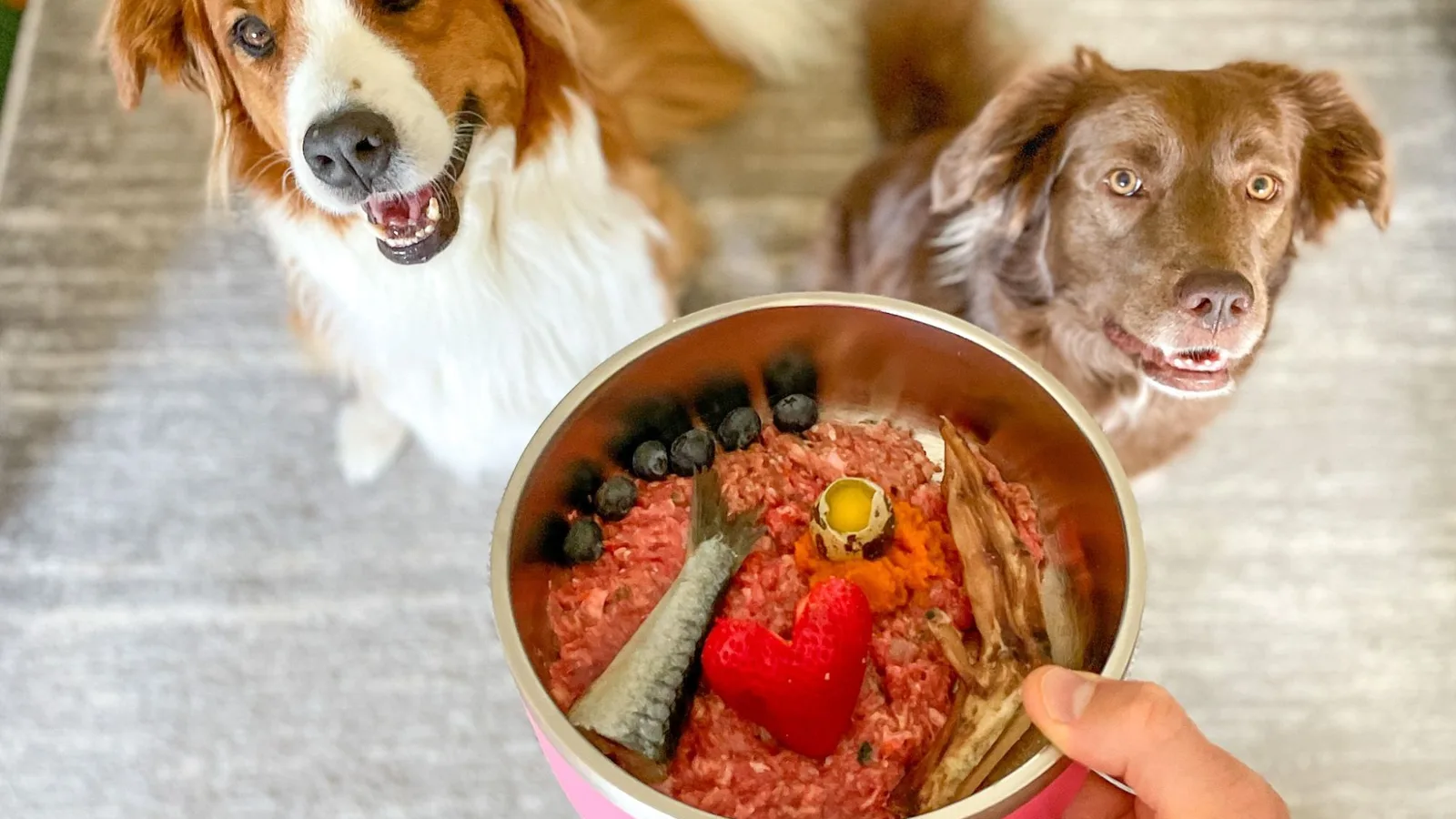
I'm Marc, the dog owner behind The Clean Hound. I read the ingredient panel on my own food — avoiding processed junk and labels full of things I can't pronounce — so I feed my two dogs, Roxy and Mittens, the same way: a raw diet and only single-ingredient or human-grade treats. Everything I recommend is a treat I'd actually give them. I'm not a veterinarian, so my content is general information, not medical advice.
How we review: I judge every treat on ingredient transparency, allergen risk, protein novelty, sourcing, processing, and value — the same label-reading standard I use for my own food. I favor short, single-protein and limited-ingredient recipes, cross-check the marketing against the actual panel, and lean on reputable veterinary-nutrition guidance.