Best Single-Ingredient Dog Treats (2026): One Ingredient, Zero Guesswork
We may earn a commission from links on this page, at no extra cost to you. How this works.


- A true single-ingredient treat lists exactly one thing — "beef liver." If the panel says anything else, it isn't single-ingredient.
- Freeze-dried and dehydrated single proteins are the easiest treats to fit into allergy management and elimination diets.
- Quality varies more than with any other treat category — sourcing and processing are the whole game when there's only one ingredient.
The fastest way to know exactly what your dog is eating: pick a treat where the ingredient list is one word long. Single-ingredient treats are the backbone of allergy management, elimination diets, and plain-old clean feeding — but because there's nothing else on the label, sourcing quality is everything.
Here's how we rank the category, and what separates a great single-ingredient treat from a sketchy one.
At-a-glance comparison
| Treat | Best for | Proteins | Rating | Price |
|---|---|---|---|---|
| Single-Ingredient Freeze-Dried TreatsSpecialty / Amazon selection | Best single-ingredient treat | Beef liver, Salmon, Chicken, Turkey | 4.4 | Check price → |
| Best Bully Sticks Natural ChewsBest Bully Sticks | Best natural single-ingredient chew | Beef | 4.2 | Check price → |
| Novel-Protein Treats (Rabbit / Venison / Duck)Specialty / Amazon selection | Best for novel-protein / elimination diets | Rabbit, Venison, Duck | 4.3 | Check price → |
| Raised Right Meat BitesRaised Right | Best overall limited-ingredient pick | Beef, Chicken, Lamb, Pork | 4.8 | Check price → |
Our picks
1. Best overall: single-ingredient freeze-dried proteins
Freeze-dried liver, salmon, or poultry — one ingredient, light texture, easy to break into training-sized pieces. Match the protein to your dog's diet and you have the safest treat in the store.

1. Single-Ingredient Freeze-Dried Treats
One ingredient, nothing else — the simplest possible label.
Pros
- Literally one ingredient (e.g. pure liver or fish)
- Easy to match to an elimination diet
- Broad availability and formats
Cons
- Quality varies by brand — check sourcing
- Some are rich; use small pieces
2. Best chew: Best Bully Sticks
Soft treats disappear in seconds; a single-ingredient natural chew buys you twenty minutes of occupied dog. Just remember chews carry real calories — they count toward the daily treat budget.
2. Best Bully Sticks Natural Chews
Single-ingredient natural chews for longer-lasting enrichment.
Pros
- Single-ingredient natural chews
- Longer-lasting than soft treats
- Range of sizes for different chewers
Cons
- Not calorie-free — count toward the 10% rule
- Supervise heavy chewers
3. Best for allergy workups: novel single proteins
Rabbit, venison, and duck in single-ingredient form are the go-to during elimination trials — proteins most dogs have never been sensitized to. More detail in our novel-protein guide.
3. Novel-Protein Treats (Rabbit / Venison / Duck)
Proteins your dog likely has never eaten — ideal for elimination trials.
Pros
- Novel proteins reduce the chance of prior sensitization
- Good for structured elimination diets (with vet guidance)
- Variety of exotic single proteins
Cons
- Cost more than common proteins
- Verify no hidden additives
4. Best "almost single" upgrade: Raised Right
Technically a few ingredients rather than one — but all named, human-grade, and built around a single protein. The right step up when you want variety without losing label clarity.
4. Raised Right Meat Bites
Human-grade single-ingredient "meat bites" — about the shortest label a treat can have.
Pros
- Human-grade ingredients and short, transparent labels
- Single novel-protein options suit elimination diets
- Made in a USDA-inspected kitchen
Cons
- Premium price point
- Limited retail availability outside DTC
What to check when there's only one ingredient
With no additives to argue about, quality comes down to three questions:
- What animal, and which part? "Beef liver" beats "beef by-products." Organ meats are nutrient-dense but rich — portion accordingly.
- Where was it sourced and made? Look for named country of origin and a maker who publishes sourcing info. Single-ingredient imports with vague origins have the worst safety track record in the category.
- How is it preserved? True single-ingredient treats are preserved by drying alone. If shelf-stability comes from an added preservative, it's not single-ingredient anymore.
Where single-ingredient fits in the bigger picture
Single-ingredient treats are the strictest end of the limited-ingredient spectrum. If your dog does fine with slightly longer labels, our pillar guide to the best limited ingredient dog treats covers the full range — including human-grade options that add variety while keeping labels short.
Frequently asked
- What does "single-ingredient dog treat" actually mean?
- The ingredient panel lists exactly one item — for example "dehydrated beef liver" or "wild-caught salmon." No preservatives, binders, flavors, or coatings. It's the simplest possible label and the easiest treat to vet for a sensitive dog.
- Are single-ingredient treats good for dogs with sensitive stomachs?
- Often, yes — fewer ingredients means fewer potential irritants, and you can pick a protein you already know your dog digests well. But single proteins like liver are rich; start with small amounts, because even a "clean" treat can cause loose stool if overfed.
- Is freeze-dried or dehydrated better?
- Both preserve a single protein without additives. Freeze-dried retains more nutrients and has a lighter, crumblier texture (great for training); dehydrated treats are chewier and usually cheaper. For most dogs it's a texture and budget preference, not a health decision.
- Can puppies have single-ingredient treats?
- Generally yes, in small, age-appropriate pieces — see our guide to limited-ingredient treats for puppies. Keep pieces soft or small for young teeth and count treats inside the ~10% calorie guideline, which is tighter for small, growing dogs.
← Back to the full limited ingredient guide
Marc
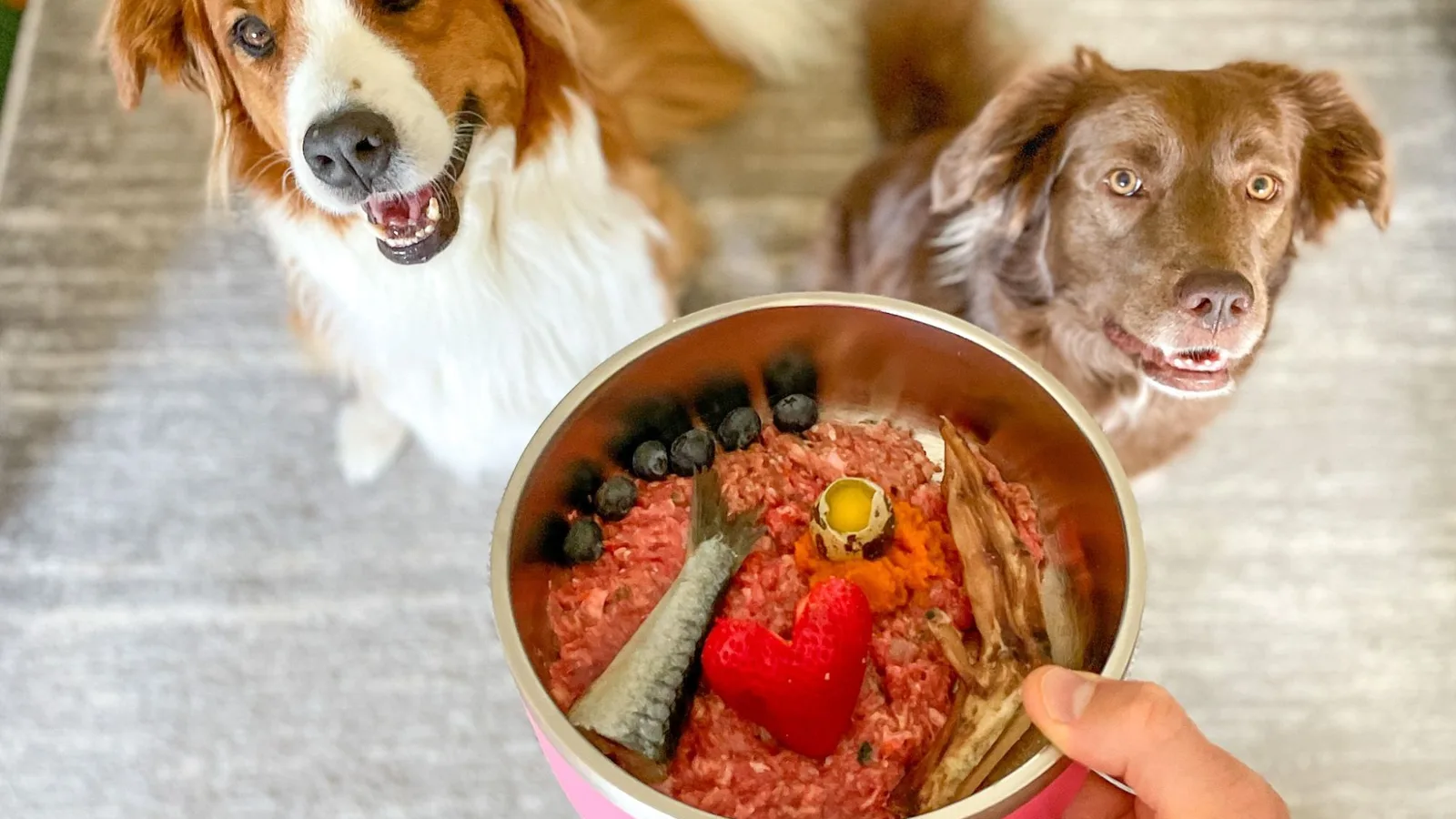
I'm Marc, the dog owner behind The Clean Hound. I read the ingredient panel on my own food — avoiding processed junk and labels full of things I can't pronounce — so I feed my two dogs, Roxy and Mittens, the same way: a raw diet and only single-ingredient or human-grade treats. Everything I recommend is a treat I'd actually give them. I'm not a veterinarian, so my content is general information, not medical advice.
How we review: I judge every treat on ingredient transparency, allergen risk, protein novelty, sourcing, processing, and value — the same label-reading standard I use for my own food. I favor short, single-protein and limited-ingredient recipes, cross-check the marketing against the actual panel, and lean on reputable veterinary-nutrition guidance.